
A Pie Without the Pastry
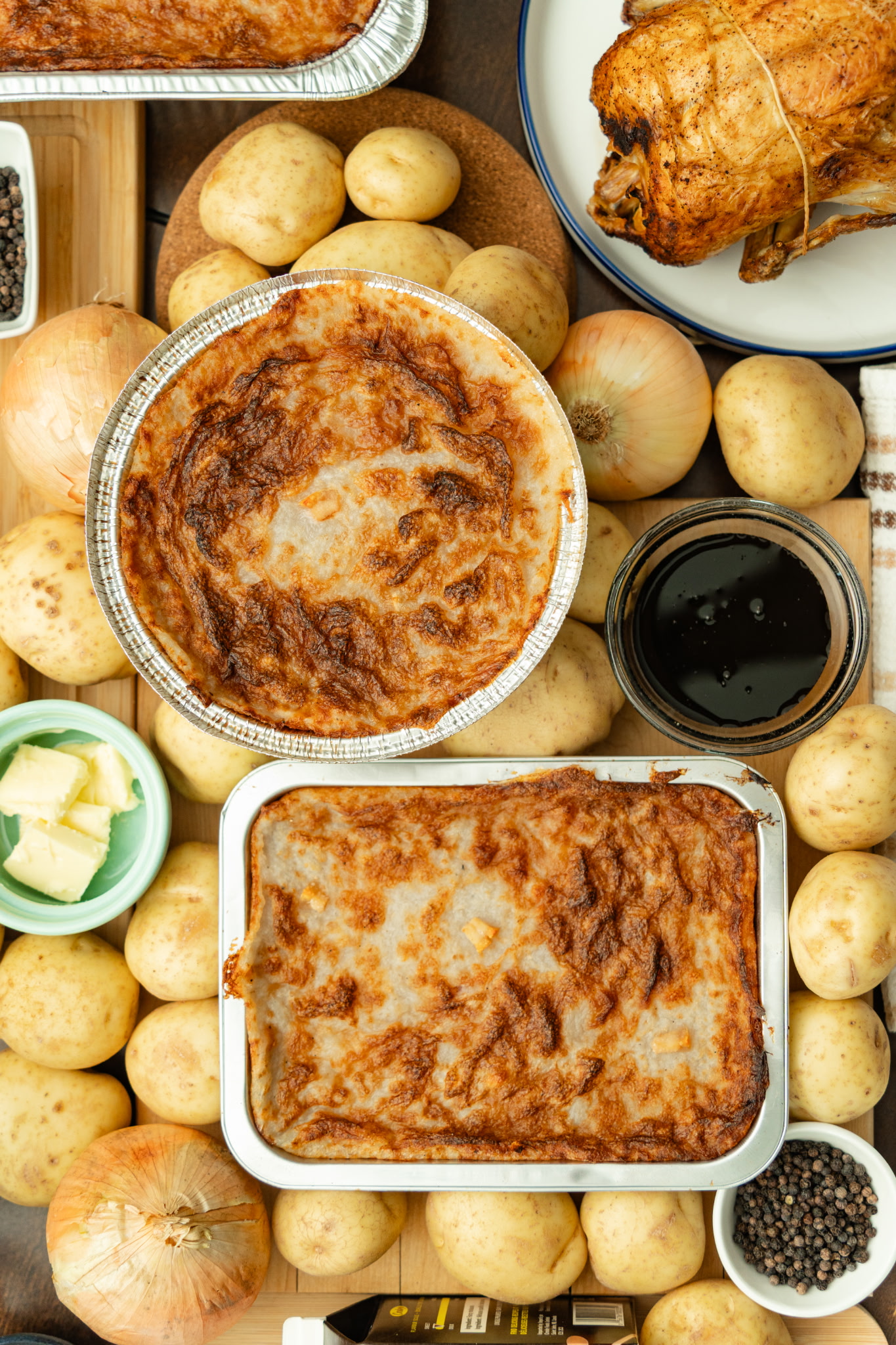
Despite the name, rappie pie isn’t a pie in the way most people expect.
There’s no pastry shell or crust. Instead, potatoes form the base of the dish.
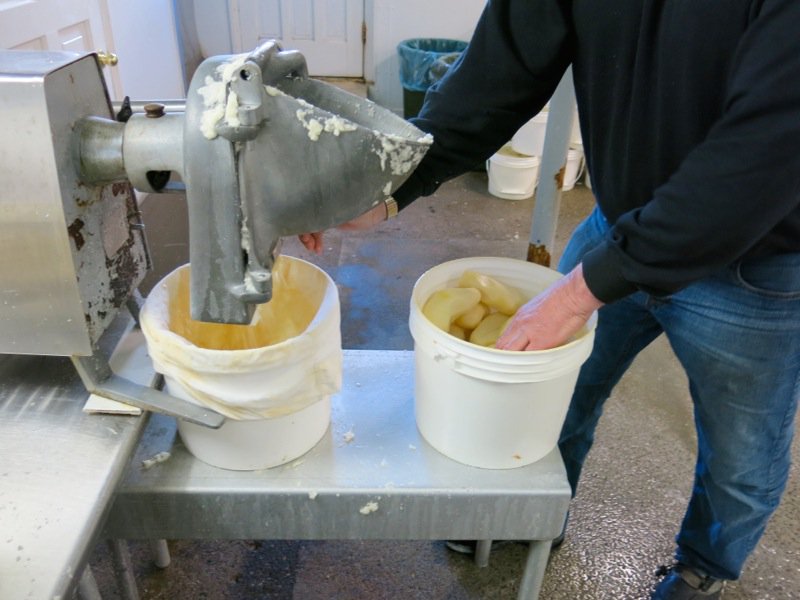
Traditionally, the potatoes are grated and pressed to remove much of their liquid, then combined with hot broth to create the distinctive texture of râpure.
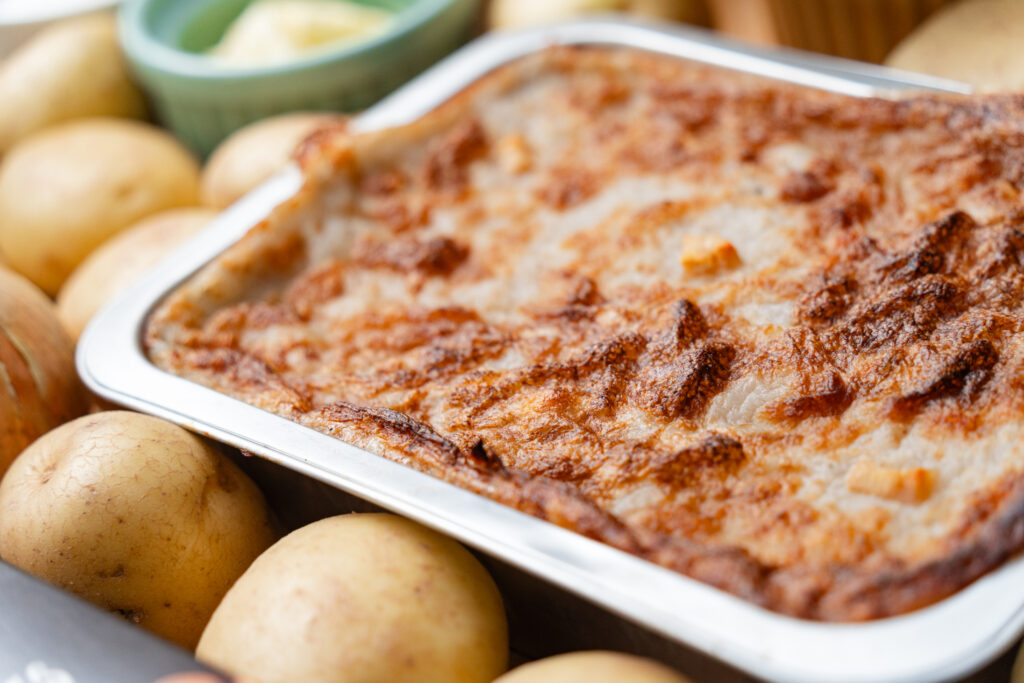
The finished texture is soft, dense and distinctly gelatinous — unlike mashed potatoes, a casserole, or a typical meat pie. It’s a texture all its own, and one that can take first-timers by surprise.
Chicken is especially common in our part of Nova Scotia, but râpure has traditionally been made with a variety of meats and seafood, including pork, beef, rabbit, venison and bar clams — often depending on family tradition and what was available.
The potato mixture is typically seasoned simply with salt, pepper and onions, then layered with the meat or seafood. Small pieces of lard are traditionally placed on top before baking, helping the surface brown and adding richness as the pie slowly cooks.
The result is a deeply savoury dish with a golden top, a soft and distinctive interior, and a flavour that is unmistakably its own.
Why Is It Called Râpure?
The traditional French name râpure comes from the verb râper — “to grate” — a reference to the grated potatoes at the heart of the dish.
In Acadian communities, râpure became the name of the dish itself, while “rappie pie” became the familiar English name.
So while “rappie pie” might sound like a pastry, the older French name tells you much more about what the dish actually is.
A Tradition Built on Time and Effort
Making râpure from scratch has always been a labour of love.
Long before it ever went into the oven, there was plenty of work to do. Preparing the potatoes, cooking the meat and broth, getting the mixture just right, assembling the pie — and then came the slow bake.
For generations, Acadian families have put that time and effort into preparing râpure for family meals, gatherings and celebrations. The work was part of the tradition, but it also meant that making rappie pie could easily take up a good part of the day.
That’s where D’Eon’s comes in.
Making Rappie Pie Easier to Enjoy
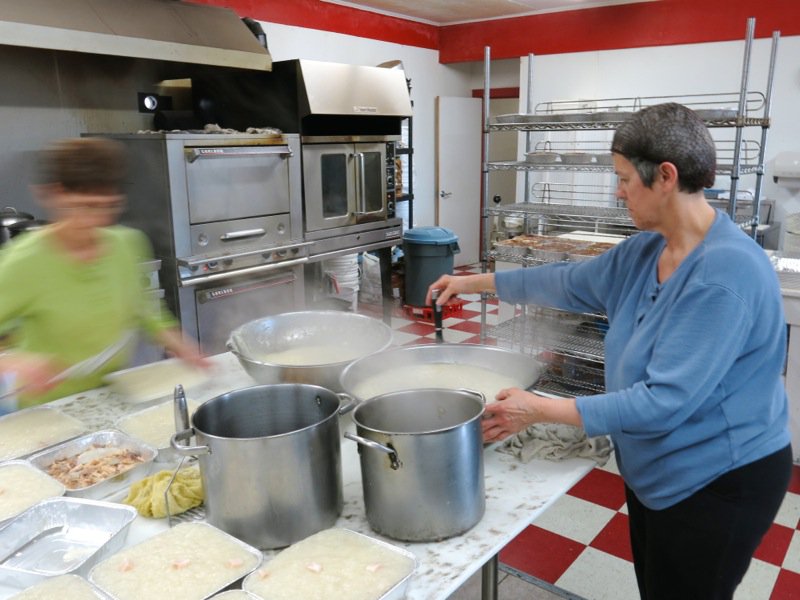
For more than 40 years, D’Eon’s has been doing much of the hard work ahead of time so families can enjoy râpure without spending most of the day making it from scratch.
Our ready-to-bake rappie pies take care of the preparation and assembly, leaving you with the part that still matters — giving it the time it needs in the oven and bringing it to the table.
For those who want more of the hands-on tradition, our rappie pie mix takes much of the potato preparation out of the process while leaving the broth, meat and final assembly up to you.
It’s a simple idea: make it easier to enjoy rappie pie more often without losing the connection to the tradition behind it.
More Than One Way to Use the Mix
D’Eon’s rappie pie mix isn’t only for making rappie pie.
It can also be used as the potato base for poutine râpée, another traditional Acadian dish.
So whether you’re making a pan of râpure or trying your hand at poutine râpée, the mix takes much of the potato preparation out of the process and gives you a head start.
What Do You Eat with Rappie Pie?
Rappie pie is hearty enough to stand on its own, and for a lot of people that’s exactly how it’s served.
Like most traditional foods, though, what goes beside it — or on top of it — often comes down to family habit.
And that brings us to one of the great rappie pie debates.
Butter or Molasses?
Few rappie pie questions inspire stronger opinions.
Butter? Molasses? Neither?
We’re not going to settle that argument for you.
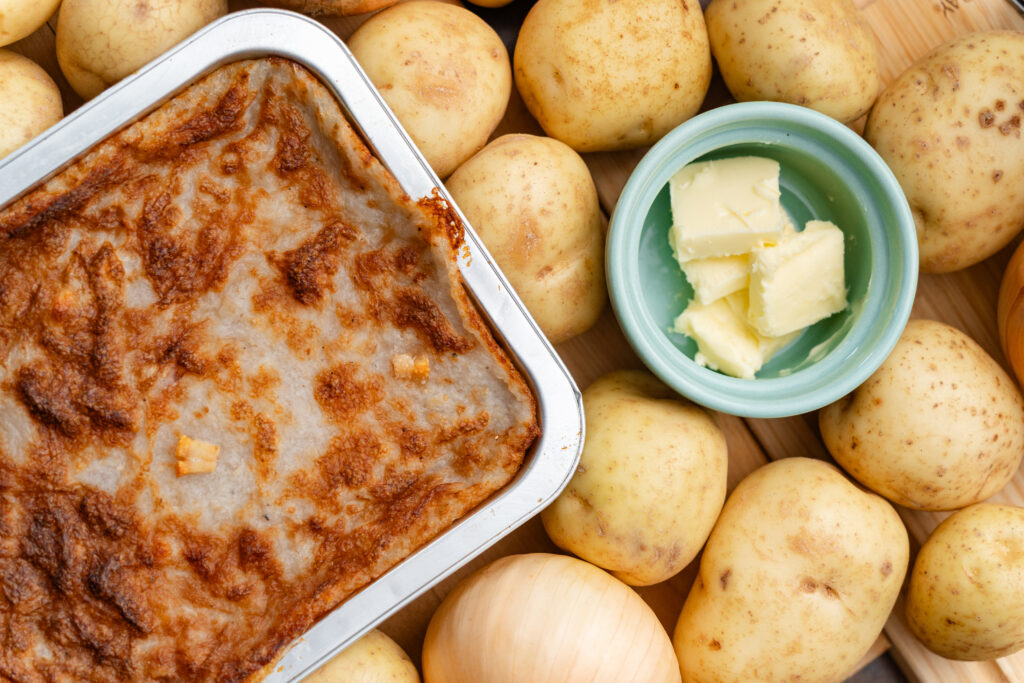
For some families, a little butter melting into a hot serving of rappie pie is the only way to eat it.
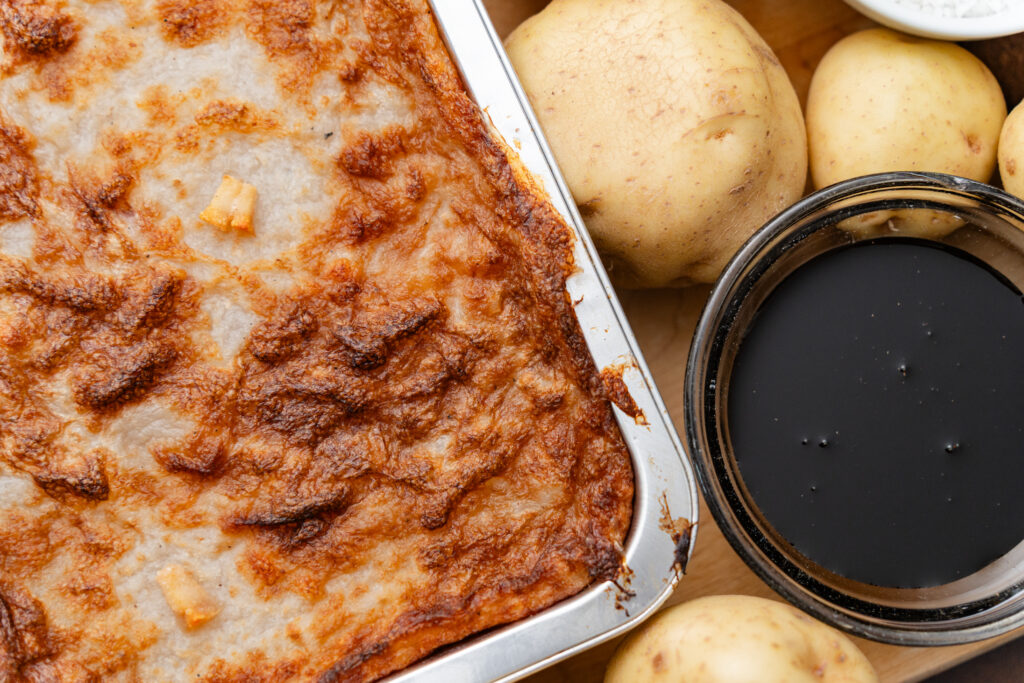
For others, molasses is part of the experience.
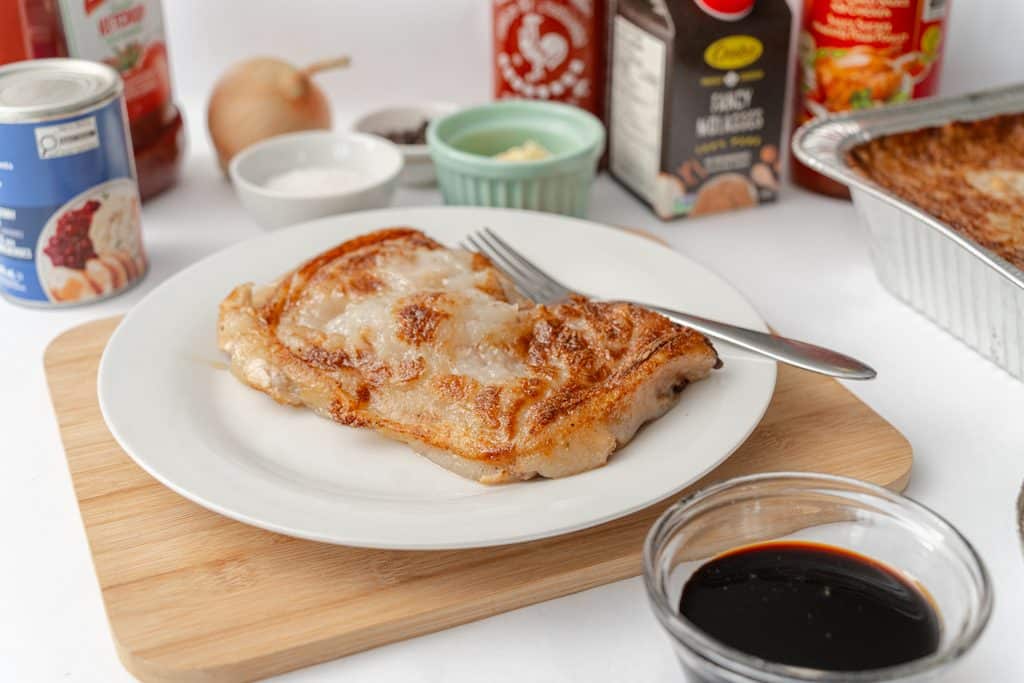
Then there are the people who reach for chow chow, pickles, ketchup, hot sauce, sour cream, cranberries — or whatever else has become part of their family tradition.
Some of those choices may sound downright sacrilegious to the rappie pie faithful.
We won’t judge.
Well… not too much.
Try it a few ways.
Then decide where you stand.
And Then There Are the Leftovers
For a lot of rappie pie fans, the leftovers are almost as important as the first serving.
Once chilled, rappie pie firms up and takes on a slightly different texture. Some people actually prefer it the next day — and in many families, reheated râpure is a tradition all its own.
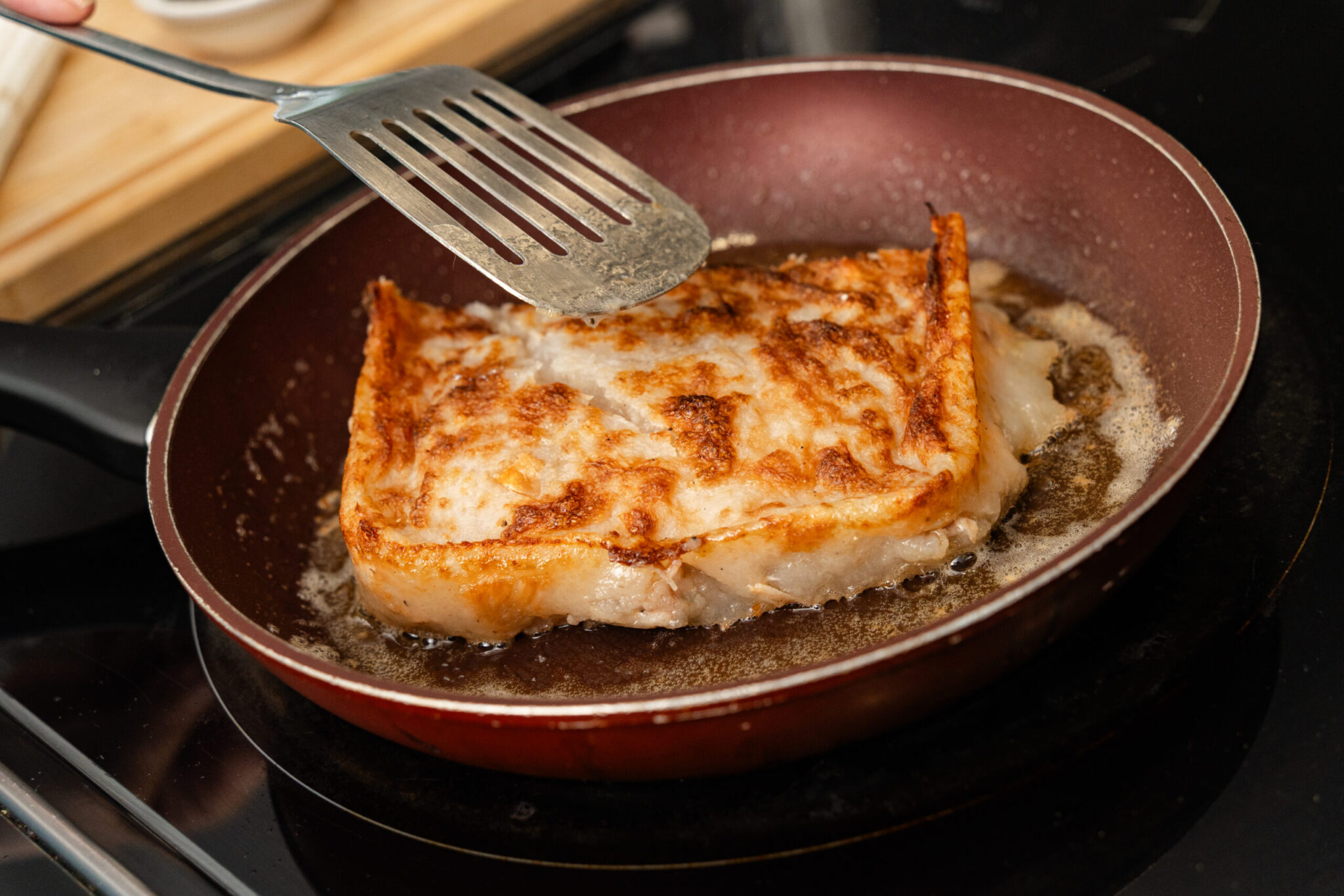
Around here, our favourite method is pretty simple: drown a slice in a generous amount of butter and pan-fry it until it’s crusty and golden on both sides. It may not be the most delicate approach, but it’s hard to argue with the result.
You can also warm it in the oven, or reheat it however your family has always done it.
The only real mistake is assuming there will be leftovers.
A Taste of Acadian Tradition
Rappie pie — râpure — is more than a recipe. It’s one of those foods that carries family habits, local differences and generations of memory with it.
Across Acadian communities, no two families necessarily make it exactly the same way. The meat may change. The broth may change. Even the texture can vary depending on how much broth is worked back into the potatoes.
Around Pubnico, we tend to like our râpure somewhere in the middle — not as soft and soupy as the style often associated with Wedgeport, and not as firm as the versions you’ll often find in Clare.
That variation is part of the tradition.
What stays constant is the connection to family, community and Acadian food culture.
At D’Eon’s, we’re proud to help keep râpure part of everyday life — making it easier for people who grew up with it to keep enjoying it, while introducing a new generation to a food with deep roots in Acadian kitchens.